When checking out, simply select the "New Customer" option. All you need to get started is a valid email address and a secure password of your choosing. After your purchase is complete, your account will be created, and you will immediately gain all the benefits of being an account holder. If you have previously placed an order with us as a guest, you can try using the "Forgot Password" feature under the "Sign In" tab.
Benefits of having an account:
Real-time status updates on all your orders and returns.
Ability to view detailed order history.
Eligibility to enroll in subscription items for recurring discounts.
Access to more store features and quicker customer support.
Connection to a dedicated sales representative if placing bulk orders.
Manage your account settings:
Update your email address and password.
Unsubscribe from email promotions.
Manage item subscriptions.
Delete your account and remove your information.
We respect your privacy and are committed to protecting any personal information you may provide us through our Website. View our privacy policy for more info.
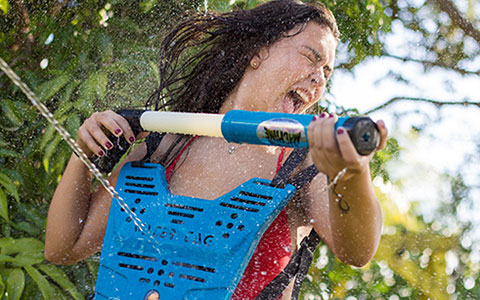
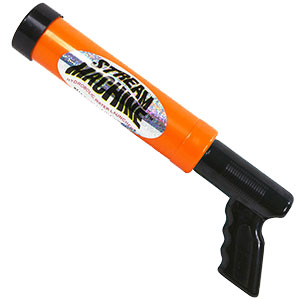
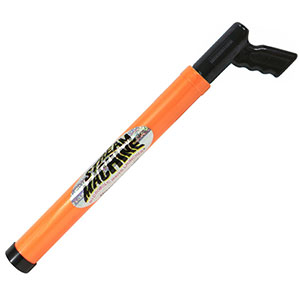
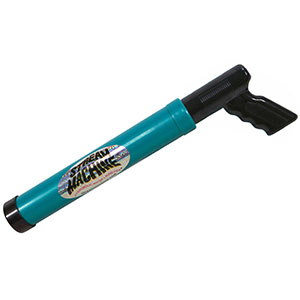
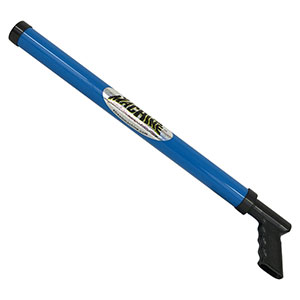
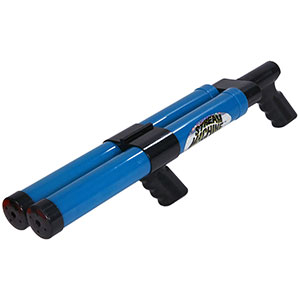
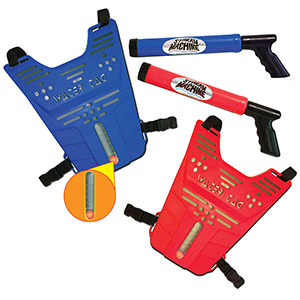
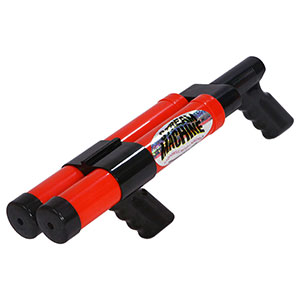
If your Stream Machine stream sputters, sprays, or loses distance, the most common causes are air trapped inside the tube or small debris (sand, grit, leaves) restricting flow. Both issues reduce pressure and break up the water stream. Use the priming and flushing steps below to restore full performance quickly and safely.
Signs You Have Air in the Tube
Weak stream or reduced range
Sputtering or “gurgling” sound when shooting
Uneven spray instead of a concentrated stream
Bubbles visible in the tube during filling
Launcher feels partially filled or “springy”
How to Prime a Stream Machine (Remove Air)
Priming means filling the tube completely with water so the piston can build pressure. Air usually enters when the nozzle is not fully submerged or when the handle is pulled too quickly during filling.
Priming Steps
Extend the handle fully so the tube is empty.
Submerge the nozzle completely underwater (deeper is better).
Pull the handle back slowly and smoothly while keeping the nozzle submerged the entire time.
Pause for a second with the nozzle still underwater to let bubbles escape.
Push the handle forward in one smooth motion to test the stream.
If You Still See Bubbles
Repeat the fill more slowly.
Keep the nozzle farther below the surface to prevent air from being pulled in.
Refill from calmer water (avoid waves, splashing, or shoreline churn).
Best Priming Tip: Use a Bucket or Tub
If you are in shallow water or near a shoreline, a bucket or tub filled with clean water is the fastest way to prime properly. It gives you consistent depth and reduces bubbles caused by moving water.
Fill a large bucket/tub deep enough to fully submerge the nozzle.
Prime using a slow pull-back with the nozzle well below the waterline.
Shoot a few test streams back into the bucket to confirm a solid stream.
Sand or Debris Inside the Tube
Sand and grit often get pulled into the tube when filling in very shallow water or near the shoreline where sediment is disturbed. Debris can increase friction, cause the handle to feel rough, and partially block the nozzle, reducing pressure and distance.
Common Causes of Debris
Filling near beach sand or muddy bottoms
Refilling where people are kicking up sediment
Submerging the nozzle into leaves or grass
Using very dirty bucket water during backyard play
How to Flush Sand and Debris Safely
Flushing removes grit without damaging internal seals. Avoid forcing the handle if it feels gritty or stuck.
Flush Method (Recommended)
Fill a bucket/tub with clean water.
Submerge the nozzle fully and slowly fill the tube.
Push the handle forward to shoot into the bucket.
Repeat 10–20 cycles to rinse out particles.
Dump the water if it looks cloudy or sandy and refill with clean water, then repeat.
Rinse After Lake or Beach Use
After playing in natural water or sand, flush the launcher with clean water before storing it. This helps prevent buildup and keeps the handle sliding smoothly.
Nozzle Clog vs Tube Debris
If your handle moves smoothly but the stream looks scattered or weak, the nozzle may be partially clogged. If the handle feels gritty or drags during movement, debris is likely inside the tube.
Quick Check
Smooth handle + weak spray: flush the nozzle with clean bucket cycles.
Gritty handle + resistance: focus on tube flushing and avoid forcing movement.
What Not to Do
Do not use oil, grease, or household lubricants inside the tube.
Do not force a stuck handle; flush first.
Do not store the launcher with dirty water inside.
Do not refill in shallow sandy water if you can avoid it.
When to Contact Support
If you have repeatedly primed and flushed with clean water and the launcher still sputters, leaks, or cannot build pressure, there may be seal wear or damage that requires replacement.
Persistent leaking that reduces pressure
Handle jams at the same point after flushing
Cracks in the tube or front section
No improvement after multiple clean-water flush cycles
Most performance issues are solved by fully priming (removing air) and flushing debris using clean water. A complete fill and a smooth push restore a strong, concentrated stream and longer distance.
Related Support Topics
Explore related support articles and resources for this topic.
Having trouble with your water launcher? Learn how to fix weak water pressure, stuck handles, or air in the tube. Our Stream Machine troubleshooting guide covers leaks, sand removal, and performance fixes to get you back in the game.
Contact options may differ depending on the type of help you need.
Cookie Preferences
This site uses a small number of cookies to provide a secure and reliable shopping experience.
Required cookies are set directly by this site and are used only for essential store functions such as maintaining your shopping cart, processing checkout, providing security, and keeping the site working properly. We also use optional Google cookies for website analytics and advertising measurement. You can choose whether to allow these Google cookies below.
Required Cookies
These cookies are necessary for essential website functions, including your shopping cart, checkout, site security, and maintaining your shopping session. These cookies are set directly by this site and cannot be disabled.
Always Active
Google Analytics & Advertising Cookies
We use Google services to understand how customers use this site, improve site performance and navigation, and measure the effectiveness of our advertising. These cookies are optional. Turning them off will not affect your ability to browse, shop, or complete an order.
Learn more about how we protect your information in our Privacy Policy.