
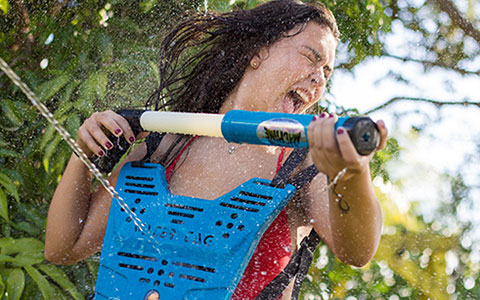
Getting Started
Master your Stream Machine water launcher with our official usage guide. Learn the proper dip-and-pull filling method, techniques to shoot up to 70 feet, and the best water sources for maximum performance and fun.
Related Topics:
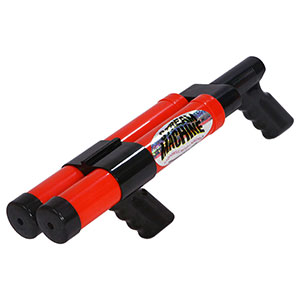
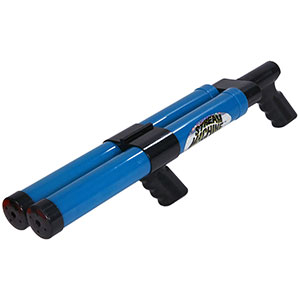
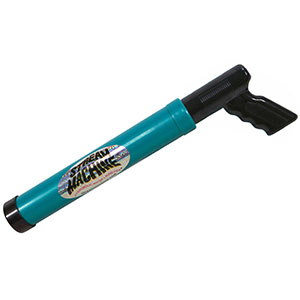
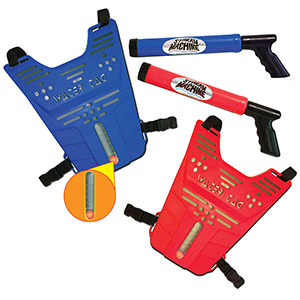
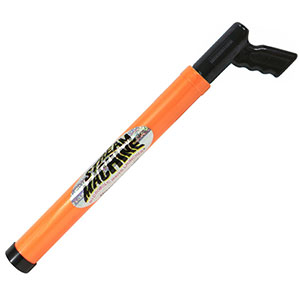
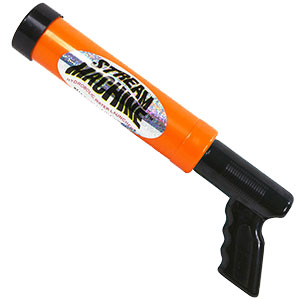
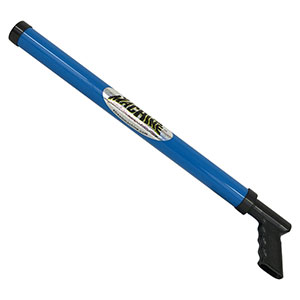
Welcome to the Official Stream Machine Support Guide. Whether you are aiming for that legendary 70-foot range or looking to extend the lifespan of your launcher, maximizing your water combat performance comes down to understanding three core pillars: flawless operation, proper aiming mechanics, and clean water management.
Unlike traditional toy water guns that rely on pressurized air tanks or small, slow-fill reservoirs, the Stream Machine utilizes a high-efficiency manual piston system.
The Vacuum Action: Pulling the handle backward creates an internal vacuum that pulls water directly into the main barrel.
The High-Velocity Launch: Pushing the handle forward drives the piston head down the tube, forcing the water out of the specialized nozzle in a concentrated, high-pressure column.
To achieve maximum distance and a solid water stream, use a steady, deliberate three-step process:
Dip: Completely submerge the front intake nozzle into your water source.
Pull: Draw the handle backward with a smooth, moderate stroke. Note: Avoid pulling too aggressively, as rapid movement creates internal turbulence and introduces performance-robbing air pockets.
Push: Evacuate the barrel using one continuous, fluid acceleration. Jerking or slapping the handle disrupts the internal pressure, causing the stream to break apart prematurely into a fine mist.
Because water is stored entirely within the primary barrel rather than an external tank, a Stream Machine's capacity is determined by its physical tube length.
Model Choices: Smaller or junior models hold less volume but offer lightning-fast reload speeds for younger players. Standard and elongated dual-barrel models hold significantly more water, allowing for extended, continuous stream durations.
Smart Water Sourcing: Swimming pools, clean backyard buckets, and calm lake deeps are ideal because they allow you to keep the intake completely underwater during the loading phase.
Sources to Avoid: Stay clear of shallow puddles, muddy shorelines, or gritty riverbanks. Sucking up sand, silt, or debris can scratch the internal barrel lining, compromise the piston's airtight seal, or clog the nozzle.
The 12-Inch Submersion Rule: Always ensure the tip stays at least a few inches beneath the surface throughout the entire fill. If the nozzle breaks the waterline and gulps air, the cylinder becomes "spongy," compressing the trapped air and severely reducing your firing range.
Leverage Your Core: For maximum distance, do not rely solely on arm strength. Stand with your feet at shoulder-width, align your arms straight behind the barrel, and push using your upper body weight.
The Gravity Arc: To hit targets at the maximum rated distance, don't shoot perfectly flat. Aim slightly upward, creating a clean trajectory arc that allows the water column to travel its full distance before breaking up.
Stream Machines are built for rugged outdoor play, but drawing water directly into the mechanical cylinder means routine maintenance is key to long-term performance:
Clear the Tip: If you notice a drop in pressure or a split stream, check the nozzle for trapped grass or small pebbles. (Many models feature a twist-off or removable tip for quick clearing).
The Fresh-Water Rinse: After spending a day playing in heavily chlorinated pools or saltwater, always cycle clean, fresh tap water through the barrel a few times. This clears out chemical residues that can cause the internal piston seals to dry out or stick.
Explore related support articles and resources for this topic.
Master your Stream Machine water launcher with our official usage guide. Learn the proper dip-and-pull filling method, techniques to shoot up to 70 feet, and the best water sources for maximum performance and fun.
Contact options may differ depending on the type of help you need.